CNN Uses Vantage Robotics' Snap Drone to Win FAA Fly-Over-People Waiver
The U.S. Federal Aviation Administration’s Small UAS Rule (also known as Part 107) has provisions to obtaining waivers to the usual requirements for flying drones in the United States. For example, you’re not generally allowed to fly drones at night, although the FAA has granted quite a few waivers allowing flight after dark.
But another rule is that you can’t fly drones over people who are not part of your operations, and until about a week ago, the FAA hadn’t waived that rule for anybody. Now it has, for CNN. The FAA is allowing the cable news network to use a drone to obtain video over uninvolved people, even crowds assembled at places like sporting events.
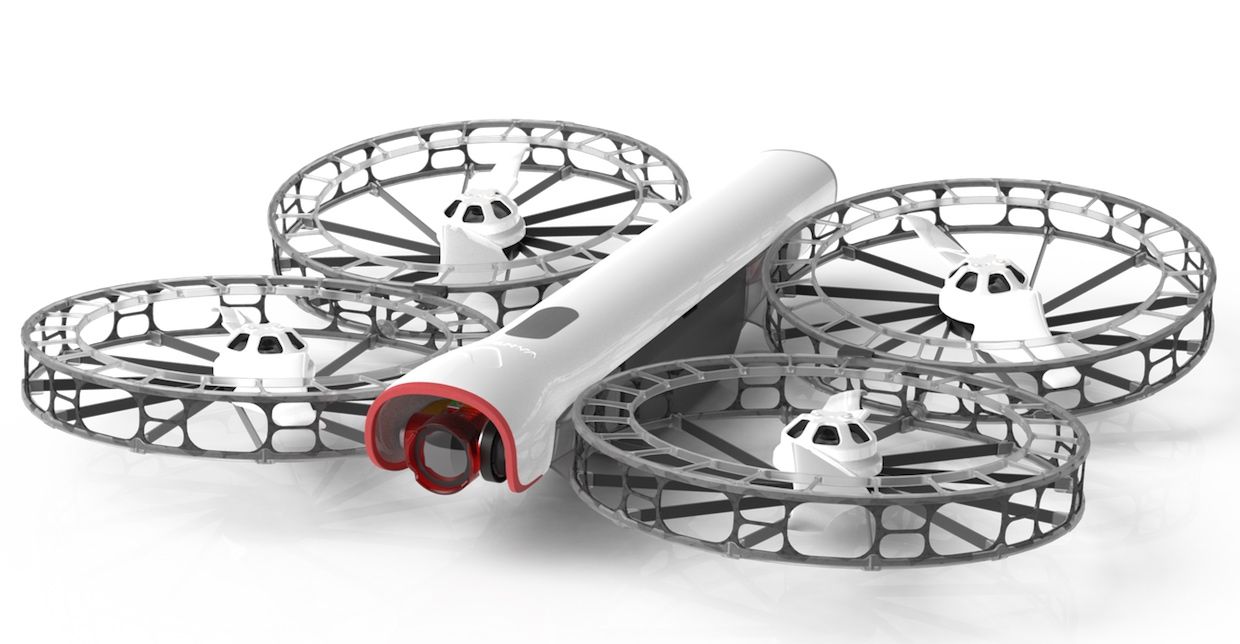
Clearly, the safety of folks beneath the drone was a big concern here. CNN says it was able to address the issue by using a drone called Snap from San Francisco Bay Area startup Vantage Robotics.
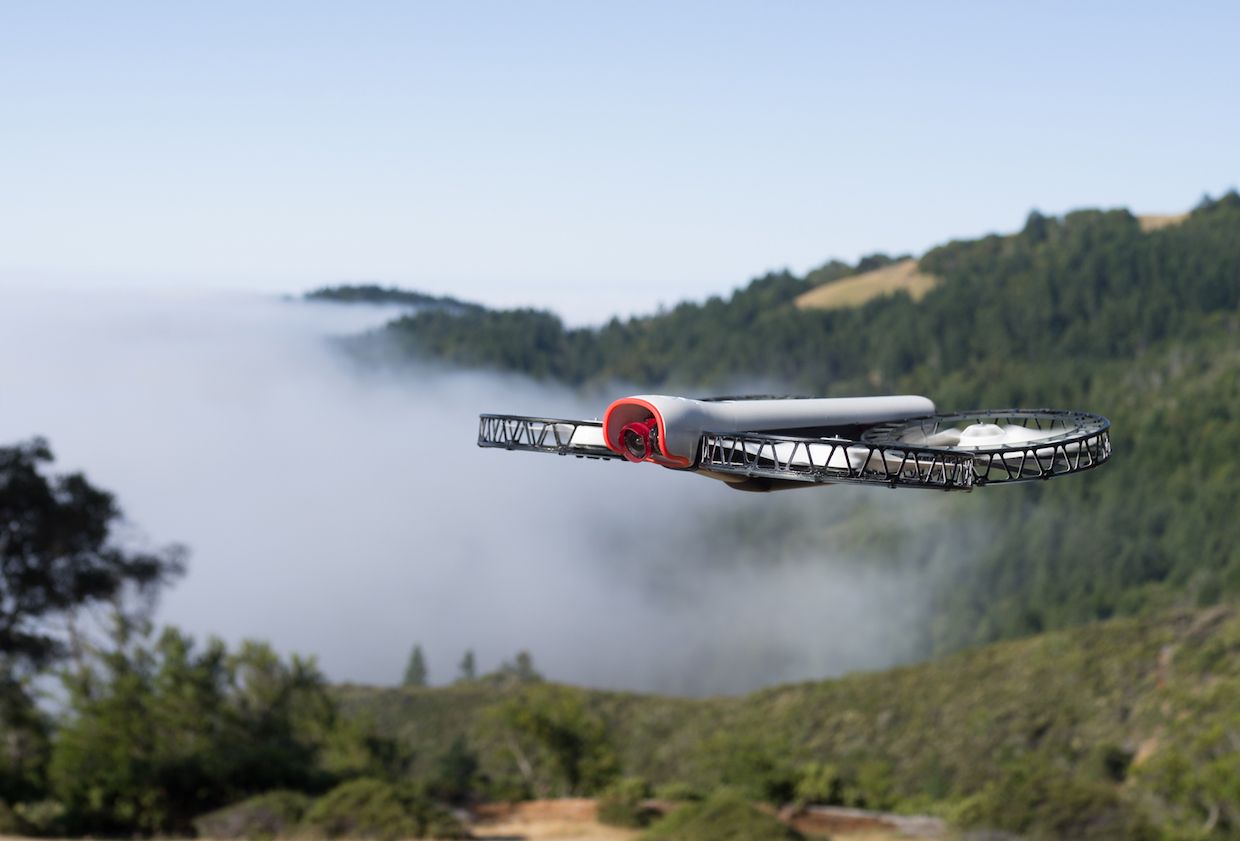
Snap weighs just 620 grams (1.4 pounds). And it’s held together with magnets, allowing it to come apart on impact—say, with your head—which makes it less likely to do any lasting damage. AeroVironment has been using the same strategy with hand-launched military drones—not so that they don’t do inadvertent collateral damage, but so that they don’t damage themselves during their rather hard deep-stall landings.
Another safety measure Snap includes are shrouds around its whirling blades. That’s not uncommon for drones, particularly those you might fly inside. But Vantage Robotics cleverly designed blade shrouds using “tensegrity,” a term that American inventor Buckminster Fuller coined more than half a century ago, and which refers to objects that use components in compression or tension to maintain their structure. (NASA is also using tensegrity-based designs, to build robots.) A bicycle wheel would be an example of the kind of thing that inspired Snap’s featherweight blade shrouds.

Perhaps a greater innovation is the strategy Snap adopted to control yaw—movements that make the drone rotate to the left and right. Other quadcopters control yaw using just the torque that develops in reaction to changes in the speed of the blades. Two diagonally opposed blades are made to speed up, while the other two are made to slow down. The overall upward thrust is the same, but because those pairs rotate in opposite directions, the body of the drone rotates in response.
The problem is that this reaction torque doesn’t have much oomph. So it’s hard to make yaw control very responsive in drones of this type. And that was a particular problem here, because Vantage Robotics didn’t want to have to add a third axis to its camera gimbal to damp out yaw motions. So it needed to have the whole drone yaw on command swiftly and precisely. The company’s solution, according to a patent application filed last year, was to cant the propellers: The two on the front point somewhat backward; the two on the rear point somewhat forward.
Small dihedral angles of this type are often used for the wings of aircraft to add stability. In model airplanes, wing dihedral also allows the plane to bank with just rudder control. Snap’s dihedral improves yaw “authority” because when two diagonally opposed propellers spin up, their canted thrust forces apply a torque directly to the frame of the craft.
My hat’s off to the company for creating what looks to be a very benign yet capable drone. It’ll be fascinating to see what kind of video footage CNN is able to attain with it.